Property Prices in Delhi Exposed: Is the Capital's Real Estate Bubble About to Burst in 2026?

Property Prices in Delhi Exposed Is the Capital’s Real Estate Bubble About to Burst in 2026
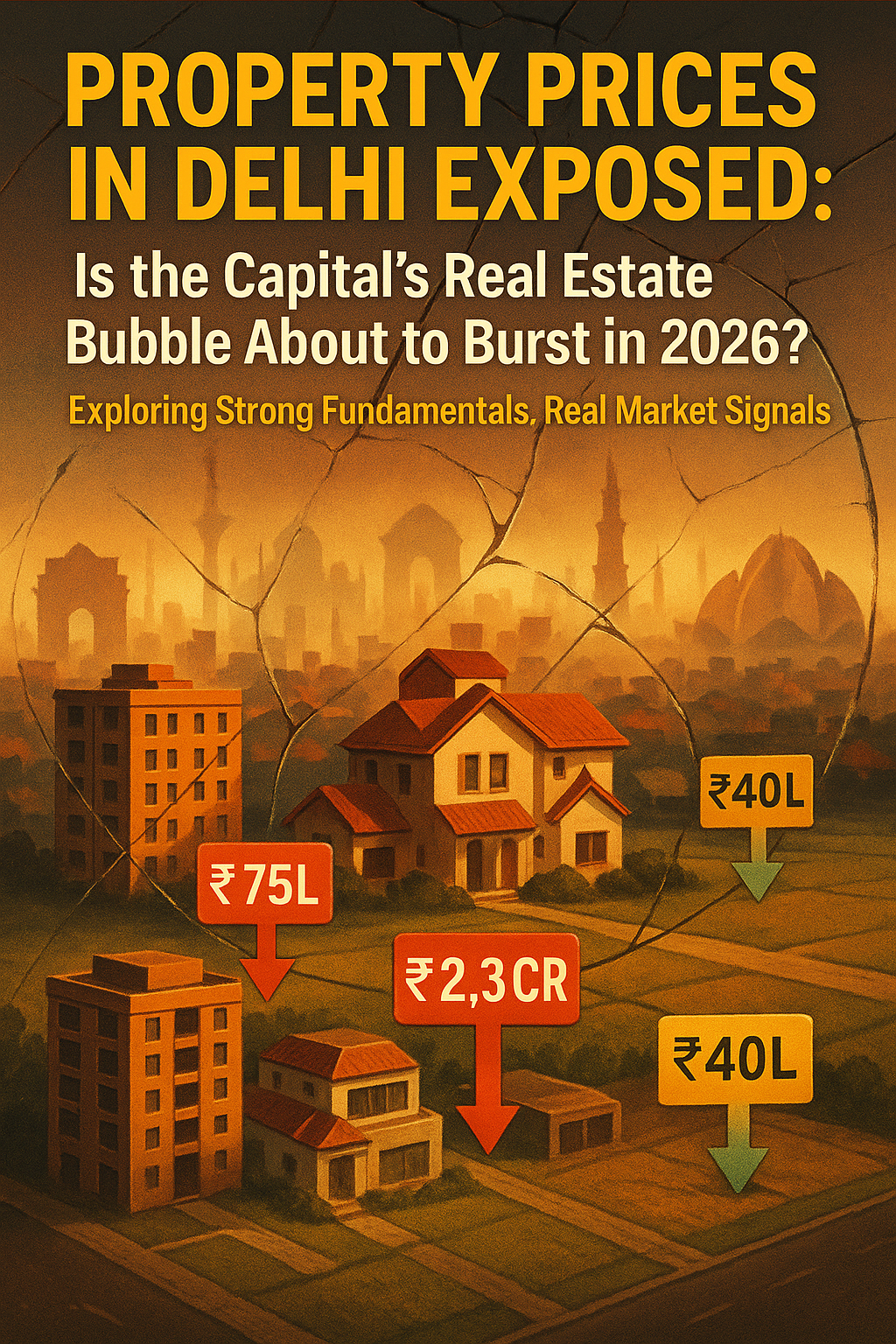
Delhi’s real estate market has always attracted strong opinions. Some believe property prices in Delhi have climbed too far too fast and a correction is inevitable. Others argue that the capital’s unique demand drivers make a price crash highly unlikely. As 2026 approaches, this debate has become louder and more urgent.
Delhi Properties sit at the intersection of limited land supply, constant population movement, political significance and economic activity. These factors make the market very different from most other Indian cities. To understand whether Delhi is facing a bubble or simply a phase of consolidation, it is important to separate perception from data and emotion from fundamentals.
Many buyers begin by grounding themselves in the broader context through the Home Buyers Guide. Once the basics are clear, Delhi’s situation looks far more nuanced than headlines suggest.
This article breaks down the reality behind rising prices, examines different property segments and answers the key question. Is Delhi’s real estate bubble about to burst in 2026 or is the market simply evolving.
Why Delhi Property Prices Feel Uncomfortably High
For many buyers, property prices in Delhi feel out of reach. Apartments that once seemed affordable now command premium pricing. Even smaller homes in well connected areas come with high entry costs.
This perception is understandable. Over the past few years, prices in many parts of the city have moved upward steadily. However, high prices alone do not indicate a bubble. A bubble forms when prices disconnect from real demand and income capacity.
To assess risk, it is important to examine what is actually driving these prices.
The Fundamental Difference Between a Bubble and a Strong Market
A real estate bubble is characterised by speculative buying, excessive leverage and large unsold inventory. Prices rise because buyers expect prices to keep rising, not because homes are needed.
Delhi’s market does not fit this pattern neatly. Demand is largely end user driven. Families, professionals and long term residents form the core buyer base. Investors exist, but speculation is not the dominant force.
This distinction is critical when evaluating whether prices are unsustainable.
Land Scarcity Is Delhi’s Biggest Price Driver
Delhi has a hard limit on land availability. Unlike peripheral cities, it cannot expand freely in all directions. Large parts of the city are already developed, protected or regulated.
This scarcity supports prices across cycles. Even when demand slows, supply cannot suddenly flood the market. This prevents sharp price collapses.
Cities with unlimited expansion often experience bubbles. Delhi’s constrained geography works in the opposite direction.
Apartments in Delhi Still Dominate Buyer Demand
Apartments in Delhi remain the most actively traded segment. They suit families, professionals and investors alike.
Demand spans multiple budgets. From affordable 1 BHK homes to premium 3 BHK residences, apartments serve diverse needs. Buyers interested in compact options often explore affordable 1 BHK flats for sale in Delhi, while those upgrading focus on larger configurations.
This layered demand base provides stability. A bubble typically forms when demand is narrow and speculative.
Why 2 BHK and 3 BHK Segments Remain Resilient
Two and three bedroom apartments form the backbone of Delhi’s housing market. These homes suit nuclear families, multigenerational households and long term living.
Buyers increasingly focus on layout efficiency and liveability rather than just size. Resources like 2 BHK apartments with strong resale layouts show how smart design supports sustained demand.
Premium buyers gravitate toward spacious homes with better amenities, often guided by insights from exclusive 3 BHK premium flats in Delhi.
This consistent demand across mid and premium segments acts as a price stabiliser.
Luxury Properties Are Not Driving a Citywide Bubble
Luxury properties in Delhi often attract attention because of headline prices. However, luxury homes represent a small portion of total transactions.
Buyers in this segment are usually financially secure and less dependent on loans. Their purchases are driven by lifestyle and long term ownership rather than speculation.
The luxury properties in Delhi guide highlights how this segment behaves differently from mass housing. It does not exert the kind of pressure that leads to a bubble.
What About Villas and Plots in Delhi
Villas in Delhi are rare and usually concentrated in specific pockets. Their prices are high because supply is extremely limited.
Plots in Delhi are even scarcer. Ownership of land within the city is tightly regulated, which keeps prices elevated. Buyers exploring this segment often consult the ultimate guide to buying plots in Delhi to understand legal and financial complexities.
High prices in villas and plots reflect scarcity, not speculative excess. These segments behave more like niche assets than bubble prone commodities.
Under Construction Supply Is Controlled
One warning sign of a bubble is excessive new supply. Delhi does not show this pattern.
New launches are limited and carefully regulated. Under construction projects are fewer compared to satellite cities. Buyers tracking new developments often refer to top under construction properties in Delhi and notice that supply is selective rather than overwhelming.
Controlled supply prevents inventory overhang, which is a key ingredient of price crashes.
Builder Discipline Has Improved Significantly
Another reason bubbles burst is weak builder discipline. Over the past decade, Delhi’s developer ecosystem has matured.
Reputed builders focus on timely delivery, compliance and realistic pricing. Buyers increasingly prefer projects by trusted names, often verified through top builders in Delhi.
This shift toward quality reduces the risk of unfinished projects and distressed selling.
Home Loan Dynamics Are Healthier Than Before
In bubble markets, buyers often rely on aggressive borrowing. In Delhi, loan eligibility norms remain conservative.
Banks assess income carefully and buyers plan EMIs with caution. Many rely on the home loan guide to structure finances responsibly.
This disciplined lending environment reduces the risk of forced selling during economic stress.
Rental Demand Provides a Safety Net
Strong rental demand is one of Delhi’s biggest safeguards against a bubble. Apartments across the city attract tenants due to employment, education and migration.
Even if prices pause, rental income supports holding power. Owners are less likely to sell at distress prices when rentals cover costs.
This dynamic keeps prices stable even during slower market phases.
Resale Market Activity Signals Stability
In bubble markets, resale activity dries up when prices peak. Delhi’s resale market remains active across segments.
Established localities continue to see transactions at market driven prices. Reports like the Delhi best apartments report highlight how mature areas maintain demand.
Active resale markets usually indicate genuine end user interest rather than speculative froth.
Are Prices Rising Too Fast in Certain Pockets
While a citywide bubble is unlikely, micro market overheating can occur. Some pockets may see faster price growth due to infrastructure announcements or limited supply.
These localised surges may stabilise or correct slightly, but they do not signal a systemic collapse. Buyers should evaluate locality fundamentals rather than citywide averages.
This is where informed research matters most.
Plots vs Apartments in a Bubble Scenario
Plots often behave differently from apartments during market shifts. The plot vs apartment investment guide explains how apartments offer better liquidity and rental support.
In Delhi, apartments are less vulnerable to sharp corrections because of continuous end user demand. Plots may see slower movement but rarely crash due to scarcity.
Understanding asset behaviour helps buyers manage risk.
What Would Actually Trigger a Bubble Burst
For Delhi to experience a true bubble burst, several factors would need to align. Massive job losses, sudden oversupply, aggressive lending and widespread speculative buying would all need to occur simultaneously.
At present, none of these conditions exist at scale. Economic challenges may slow growth, but the structural foundations remain intact.
This suggests consolidation or moderation rather than collapse.
Who Should Be Cautious in 2026
Buyers expecting short term price jumps should be cautious. Delhi is not a rapid flip market.
Those stretching finances to the limit should also reassess. Prices are stable, but affordability still matters.
Long term buyers focused on use value and rental support remain well positioned.
Who Is Still Well Positioned to Buy
End users planning to live in the home for several years remain well protected. Investors seeking rental income rather than quick appreciation also benefit.
Those buying in established areas with strong connectivity face minimal downside risk.
Timing the market perfectly is less important than choosing the right property.
Exploring the Real Market Landscape
Buyers can explore current options across Delhi properties to see how pricing varies by location and segment.
For a broader view across cities and property types, GharPe offers a consolidated platform.
Seeing real listings often brings clarity that speculation cannot.
So Is Delhi in a Real Estate Bubble
The evidence suggests no. Delhi’s property prices are high, but they are supported by strong fundamentals. Land scarcity, end user demand, rental support and controlled supply all work against a bubble scenario.
What buyers are witnessing is a mature market adjusting to economic realities, not a market on the verge of collapse.
Prices may pause or move slowly in certain areas, but a dramatic citywide crash is unlikely.
Conclusion
Delhi’s real estate market in 2026 is not a bubble waiting to burst. It is a complex, layered ecosystem shaped by scarcity, demand and long term habitation.
High prices do not automatically mean unsustainable prices. In Delhi’s case, they reflect the cost of permanence in a city where land and opportunity are limited.
For buyers who focus on fundamentals rather than fear, Delhi properties continue to offer stability, usability and long term value. The real risk lies not in the market itself, but in buying without understanding how it truly works.
Is investing in under construction property in Delhi worth the risk in 2026? Explore rewards, risks, pricing trends...
New or old Delhi properties? Explore renovation costs, price trends, resale value and investment potential to decide...
Flats or villas in Delhi? Explore rental yields, appreciation, costs and buyer trends to understand which property...
Discover Delhi apartments that generate rental income strong enough to cover EMIs in 2026. Learn which homes,...
Are Delhi property prices overheated in 2026 or still backed by strong fundamentals Explore apartments, villas,...

Resale flats in Delhi are quietly outperforming new launches. Discover why smart buyers are choosing ready homes for...

Affordable 1 BHK flats in Delhi are disappearing fast. Discover where buyers are still finding value in 2026 and how...

Explore Delhi’s most exclusive 3 BHK premium flats in 2026. Discover luxury layouts, elite locations, lifestyle...

Discover the 2 BHK apartment layout in Delhi that buyers prefer most in 2026 and why it delivers stronger resale...
Explore the best under construction properties in Delhi. Compare locations, amenities and prices across top upcoming...
Explore properties for sale in Sector 12 Dwarka, including new and under construction flats with strong...
Explore luxury apartments and gated communities in Vasant Kunj Delhi. Discover premium homes, top builders and...
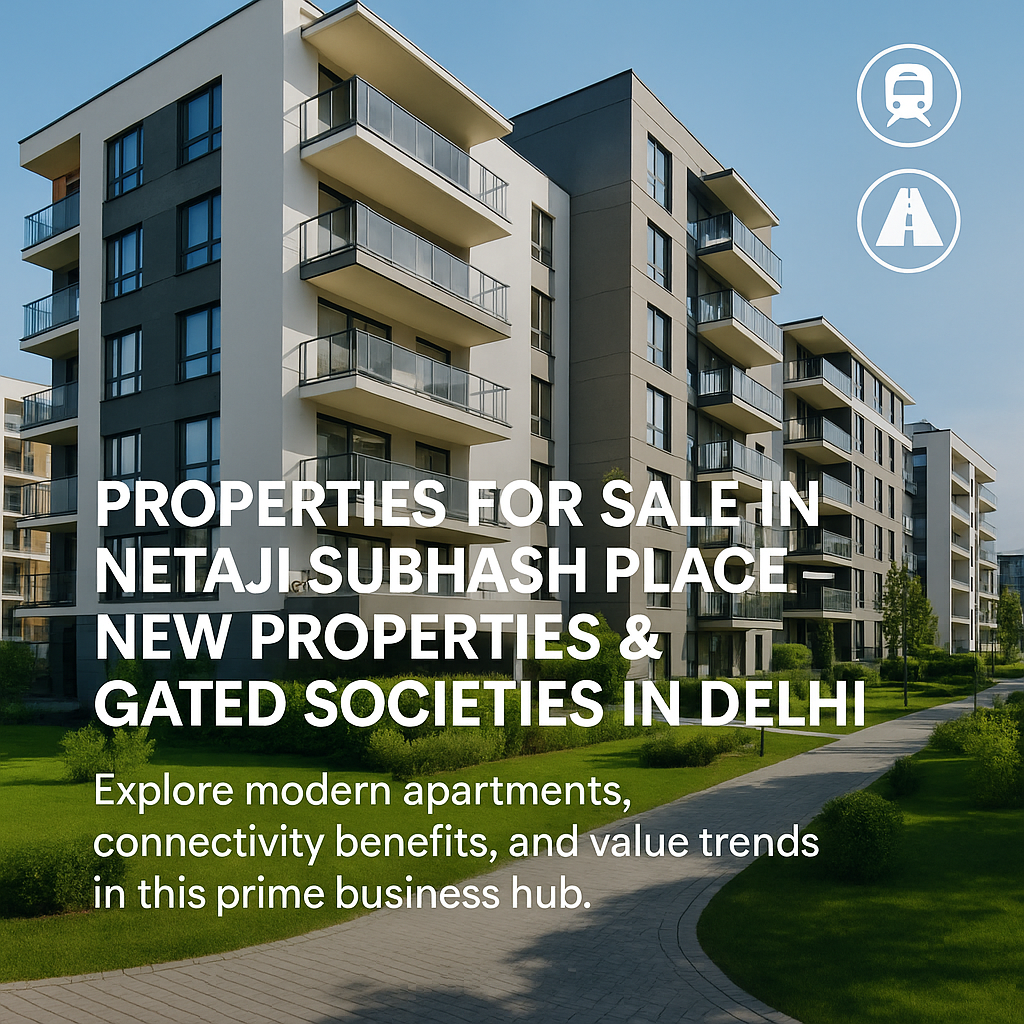
Explore new properties and gated societies in Netaji Subhash Place Delhi. Discover modern apartments, connectivity...

Explore luxury apartments and premium properties in Chattarpur Delhi. Discover gated communities, villas, high end...
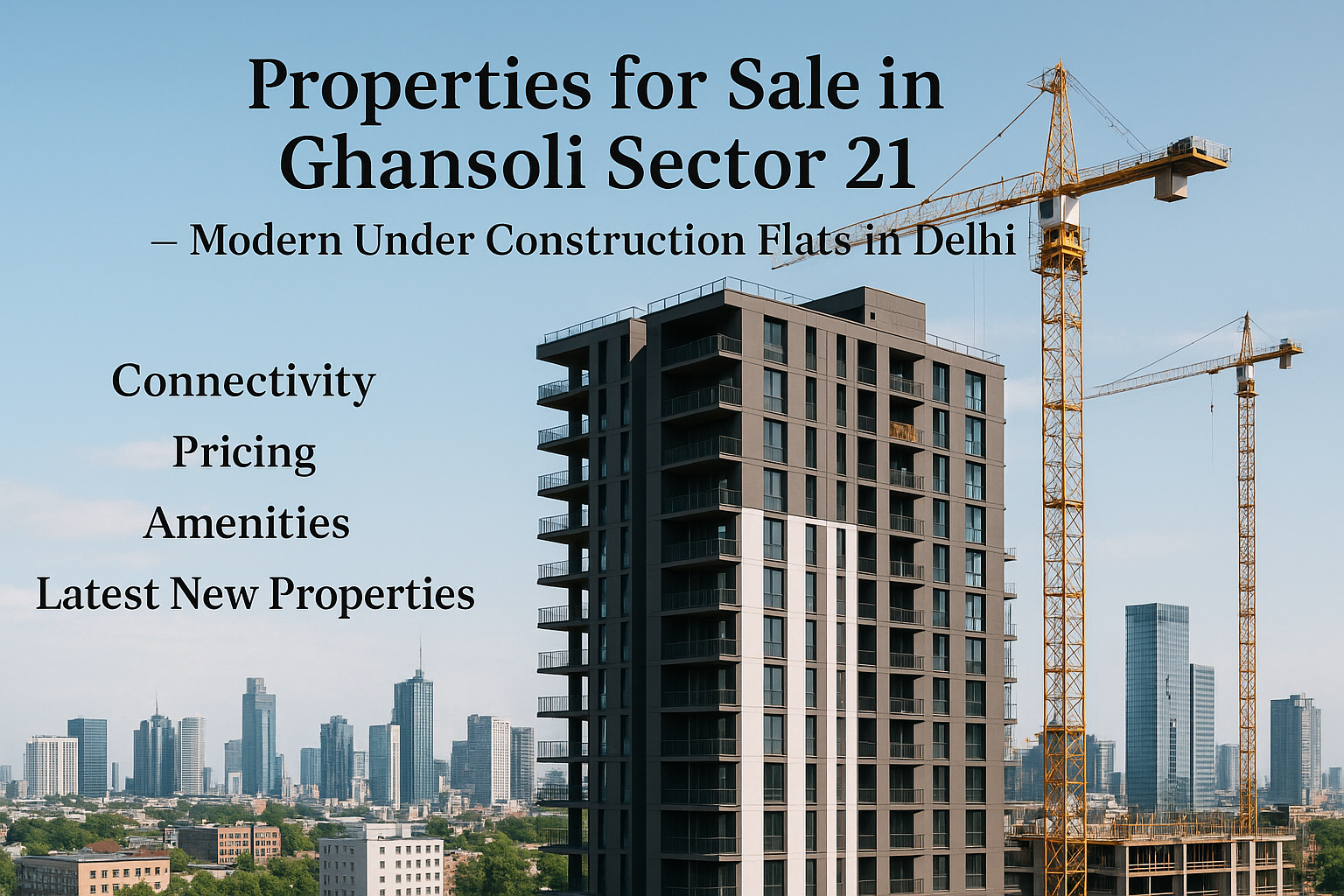
Explore modern under construction flats in Ghansoli Sector 21 Delhi. Learn about connectivity, pricing, amenities...

Explore spacious 1 BHK and 2 BHK apartments in Faridabad North with modern amenities, strong connectivity and family...
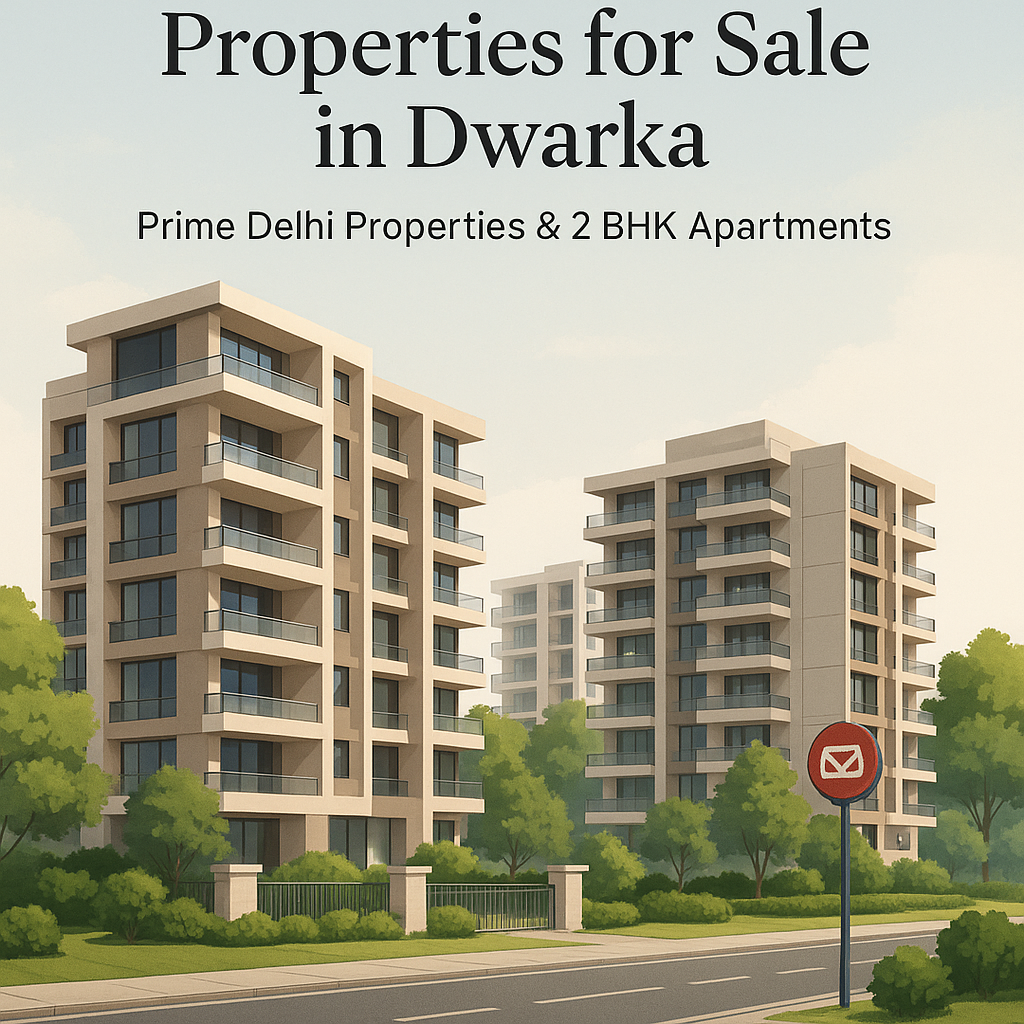
Explore prime properties for sale in Dwarka including spacious 2 BHK apartments, gated societies and ready to move...
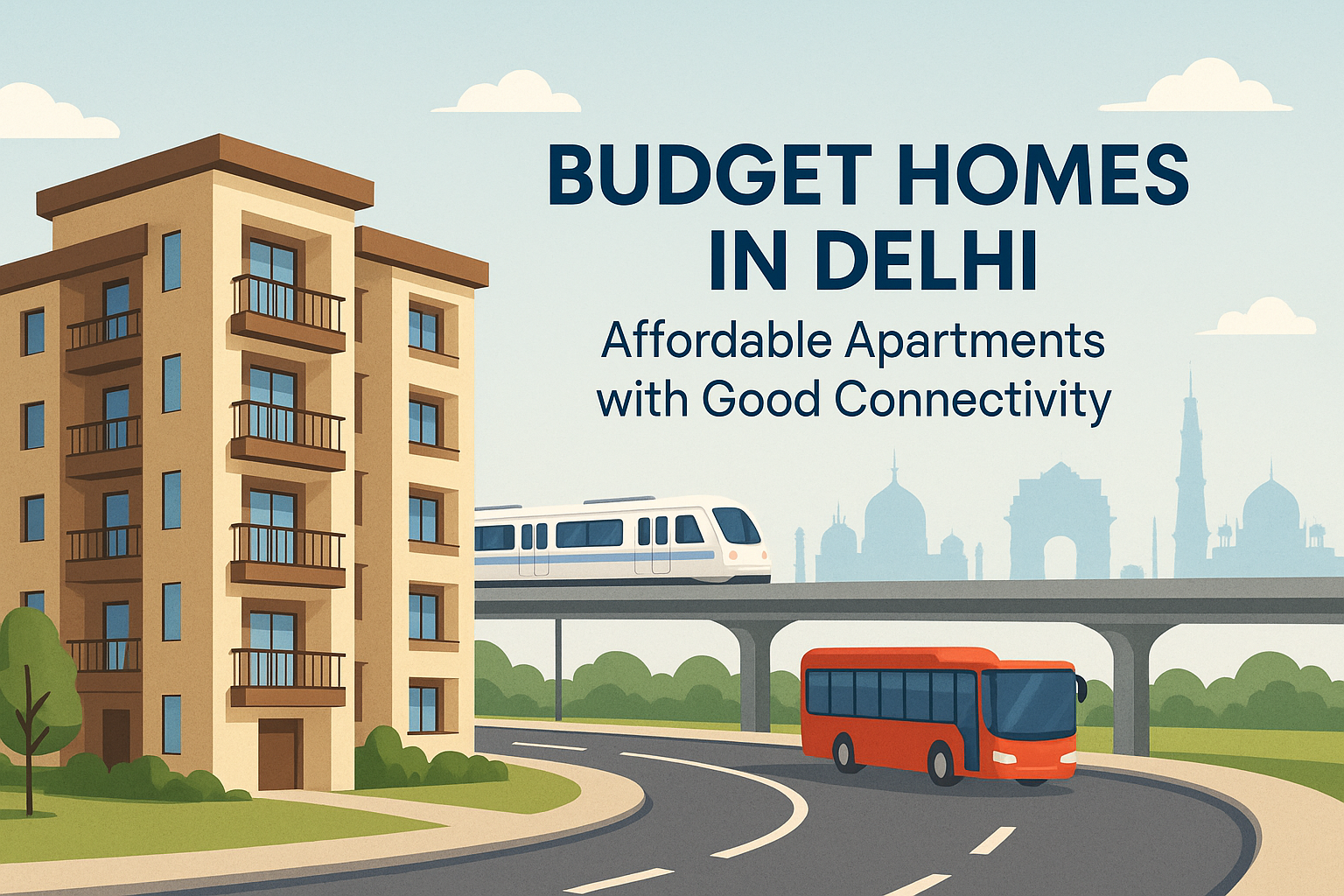
Discover budget homes in Delhi with comfort, good connectivity and practical amenities. Explore affordable...
Explore luxury properties and gated societies in Karol Bagh Delhi. Discover premium apartments, lifestyle benefits...
Explore affordable 1 BHK and 2 BHK apartments in L Zone Delhi. Learn about prices, connectivity, amenities, and top...
Explore the top builders and trusted names behind Delhi properties, from affordable flats to luxury apartments, and...
Discover what to look for in Delhi gated community projects. Explore top new gated projects and view expert tips for buyers.
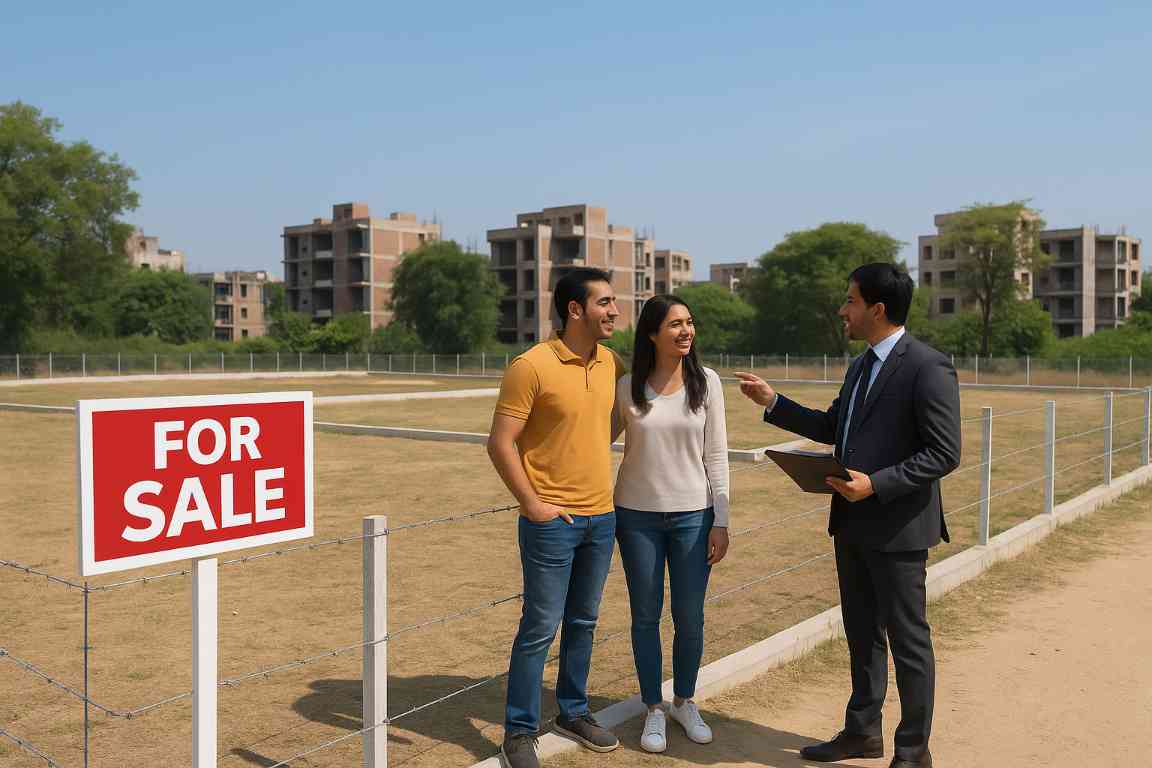
Explore our ultimate guide to buying plots in Delhi, featuring top gated projects, legal advice, financing options,...

Avoid costly mistakes when buying ready to move flats in Delhi. Learn what to check, how to verify legal documents,...

Discover top Delhi apartments with this in-depth Delhi properties report. Explore ideal 3BHK apartments in Saket and...

Planning to buy a flat in Delhi? This comprehensive guide covers location, budget, amenities, legal checks, and...

Discover the most luxurious properties in Delhi. Explore premium residences, top amenities, and smart investment...

Looking for top villa developments in Delhi? Discover Delhi's best villa projects for homebuyers and investors...
Resources
-

Explore the architectural brilliance of Prestige Vaishnaoi Rainbow Waters. Discover 36 floors of...
-

Explore the rare lakefront lifestyle in Rai Durg. This category highlights the environmental...
-

Step into the structural elegance of Prestige Tranquil. Explore the 34-story high-rise floor...
-

Explore the growth of the Kokapet-Golden Mile region. Discover how the local environment and...
-

Explore Jayabheri The Sahasra, featuring $80\%$ open spaces, a 30,000 sq. ft. retail Bazaar, and...
-

Discover why Gopanpally is the fastest-growing residential hub in Gachibowli West. Learn how...
-

Explore Jayabheri The Nirvana, the premier apartments for sale in Nallagandla, Hyderabad....
-

Discover the latest properties in Gachibowli and Nallagandla, Hyderabad. Our guide covers...
-

Explore Aurobindo Kohinoor, the premier apartments for sale in HITEC City, Hyderabad. Discover...
-

Discover the latest properties in HITEC City, Hyderabad- the IT corridor lifestyle, and why this...
-

Explore Skymarq by DSR in Puppalaguda, Hyderabad. Discover why this Puppalaguda-Madhapur hub is...
-

Explore Pooja The Harvest in Kokapet, Hyderabad. Discover 31-story luxury apartments near...
-

Explore top properties in Kochi for buying, renting, and investment. Discover luxury apartments,...
-
Discover top properties in Ahmedabad for buying, renting, and investment. Explore luxury...
-

Discover the best properties in Goa for buying, renting, and investment. Explore luxury villas,...
-

Explore the best properties in Pune for buying, renting, and investment. Discover prime...
-
Discover top properties in Gurgaon for buying, renting, and investment. Explore luxury...
-

Explore the best properties in Noida for buying, renting, and investment. Discover premium...
-
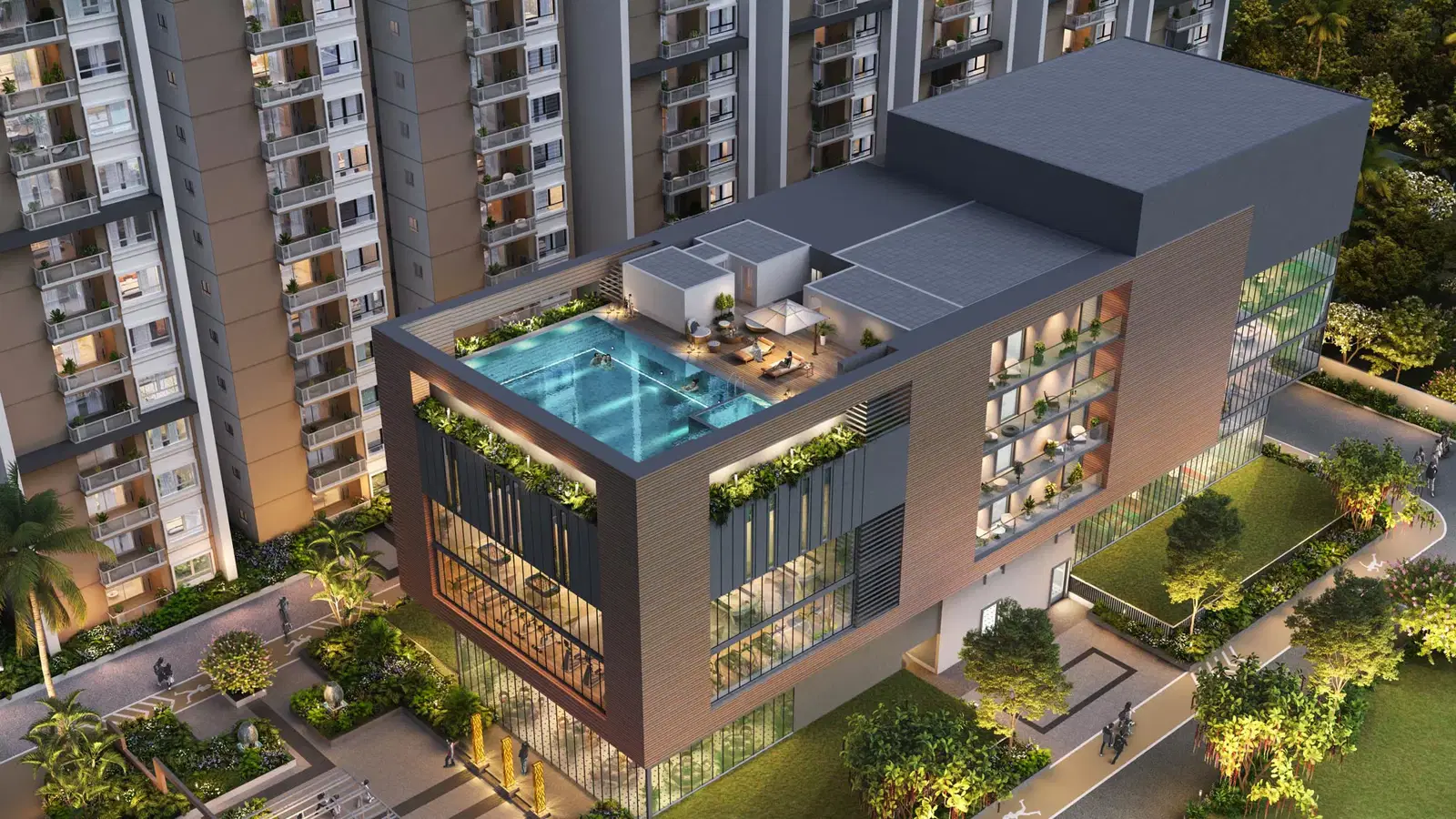
Srias Tiara offers 2 & 3 BHK apartments for sale in Hyderabad. View detailed residence reviews,...
-

Explore properties in Pragathi Nagar, Hyderabad. Get expert guides on financial planning, legal...
-
Explore Srias IWA, the premier apartments for sale in Hyderabad. Discover ultra-luxury 3, 3.5,...
-
Discover the latest properties in Nanakramguda, Hyderabad. Our 2025 guide covers real estate...
-
Explore Kokapet, Hyderabad's premier residential hub. Get expert guides on lifestyle,...
-
Explore Sumadhura Palais Royale, the premier apartments for sale in Hyderabad. Discover...
-
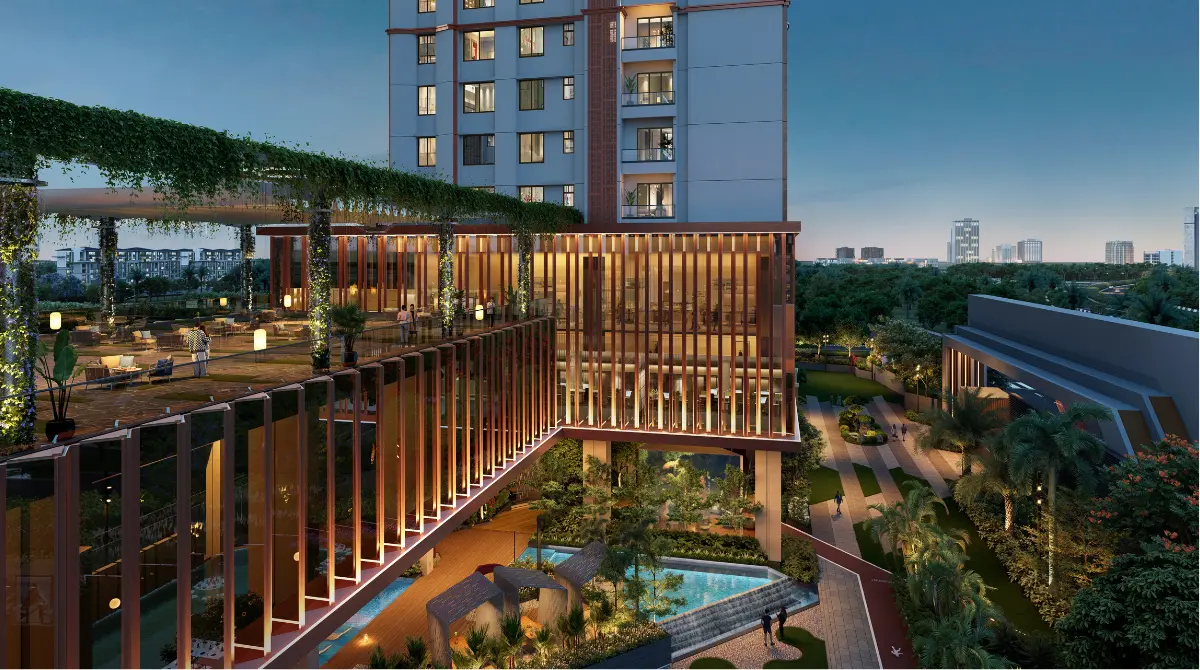
Discover the latest properties in Puppalaguda, Hyderabad. Our 2025 guide covers real estate...
-
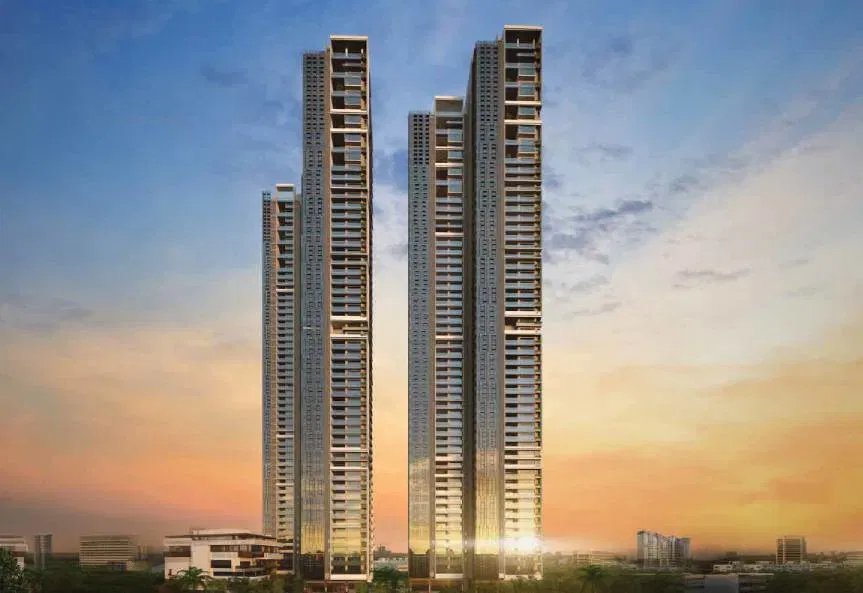
Explore the most luxurious SAS Crown apartments in Kokapet, Hyderabad. Discover the pinnacle of...
-
Check out the best properties in Chennai for buying, renting, and investment. Discover top...
-
Explore top properties in Mumbai for buying, renting, or investment. Gain insights into pricing,...
-
Find the best areas to buy, rent, or invest in Bangalore. Get expert insights on affordability,...
-

Discover the best properties in Hyderabad for buying, renting, and investment. Discover top...
-

Explore top properties in Delhi for buying, renting, or investment. Gain insights into pricing,...
-

Looking for a home in Kolkata? Discover the best areas to buy, rent, or invest. Get expert...
